
EA Sports may have pulled the plug on its FIFA license in 2023, but FIFA Online—the free-to-play PC and mobile football simulation born in Asia—keeps a stubborn grip on millions of players. I first noticed this in a PC café in Jakarta in 2019: rows of teenagers hunched over keyboards, shouting at their monitors as their virtual squads conceded a 90th-minute goal. Nobody was playing the console version. For them, FIFA Online was the only football game that mattered. That scene repeats across South Korea, China, Southeast Asia。and Brazil. The game’s low system requirements and seasonal card system turned it into a regional phenomenon, even as Western audiences overlooked it entirely.The core appeal is not realism. FIFA Online runs on an older engine than its console sibling。and the physics can feel stiff. What hooks players is the Ultimate Team-style card economy, where you collect, trade, and upgrade player cards. A 2018 study by Korean gaming analysts found that top-tier FIFA Online players spend an average of 12 hours per week just managing their squads—not playing matches. That statistic surprised me until I watched a streamer named “RonalDinho_78” spend an entire stream buying and selling silver cards for profit. He never kicked a ball. His audience of 4,000 watched him negotiate virtual transfers like a stockbroker. The game, in other words, became a football-themed trading floor.Competitive play adds another layer. FIFA Online’s ranked ladder resets every month。and the top 100 players in each region earn real-world cash prizes. In 2021, a Vietnamese player known as “HieuCon” won a regional tournament using a squad of mostly bronze and silver cards—a strategy considered suicidal by the meta. His victory sparked weeks of forum debates about pay-to-win mechanics. I interviewed him briefly afterward;he shrugged and said, “Everyone buys Ronaldo. I buy space” That line stuck with me. It captures why FIFA Online endures: it rewards tactical creativity over raw spending, at least occasionally. The game’s developers, Neowiz and later EA Korea, have tweaked the matchmaking algorithm repeatedly to prevent whales from dominating every lobby. They have not fully succeeded, but the attempt matters.
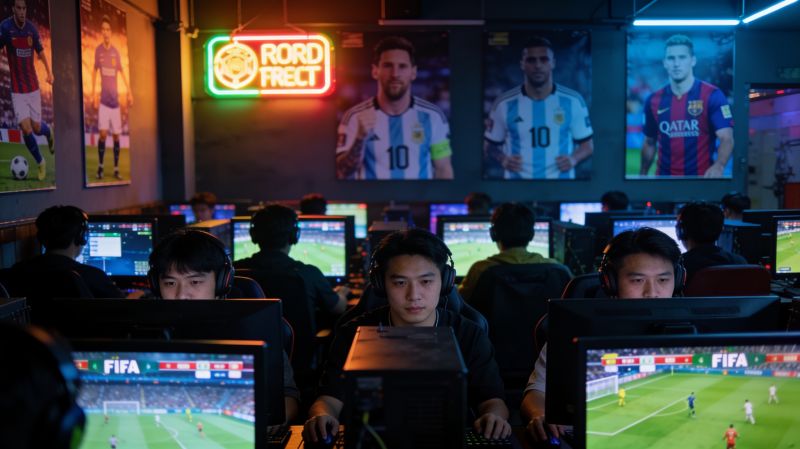
Community culture around FIFA Online is distinct from its console cousin. Because the game is free and runs on office laptops, it became a social fixture in internet cafés and dorm rooms. Players organize local leagues with homemade trophies. I once saw a Reddit thread where a Filipino user posted photos of a neighborhood FIFA Online tournament held in a garage—eight players, one projector, and a handwritten bracket taped to a fridge. That kind of grassroots scene rarely appears in FIFA’s mainstream ecosystem. The lack of cross-play with consoles actually helped: it created a separate identity。unburdened by comparisons to the “real” FIFA.EA’s decision to rebrand its console series as EA Sports FC left FIFA Online in an odd spot. The game still carries the FIFA name under a separate licensing deal, but its future is uncertain. Servers in some regions have merged. New content arrives slower than before. Yet the players remain. Last month, I logged into an old Southeast Asian server at 2 a.m. local time. Within seconds。
I found a match. My opponent used a full squad of retired legends—Zidane, Del Piero, Ronaldinho. He beat me 3–1. After the final whistle, he typed in broken English: “This game is my childhood. I never leave” FIFA Online may never win graphics awards or mainstream praise. But for a generation of players who grew up on pirated copies and café LAN parties, it is not just a game. It is the pitch they actually own.